The modern home is increasingly a vibrant tapestry woven from multiple generations and diverse backgrounds. Whether driven by economic realities, caregiving needs, cultural preferences, or simply a desire for closer family bonds, managing multi-generational & diverse households has become a cornerstone of successful contemporary living. It's a journey rich with potential for connection, growth, and shared support – but also one that requires mindful planning, empathetic communication, and a willingness to adapt.
This isn't about simply coexisting; it's about thriving together. You're not just sharing a roof; you're building a shared life. This guide will help you navigate the unique dynamics of diverse household structures, transforming potential friction into profound fulfillment.
At a Glance: Harmonizing Your Home
- Communicate, Communicate, Communicate: Establish regular, open, and non-judgmental dialogue as your household's golden rule.
- Define Clear Boundaries: Respect for personal space, time, and preferences prevents misunderstandings and promotes autonomy.
- Share Responsibilities Equitably: Distribute chores, finances, and caregiving duties with transparency and fairness.
- Design for Coexistence: Optimize shared and private spaces to support everyone's needs and lifestyles.
- Embrace Diversity as Strength: Recognize that different ages, cultures, and personalities bring unique value and perspective.
- Create a Living Agreement: Documenting expectations and resolutions can be a powerful tool for clarity and peace.
The Modern Family Tapestry: Why We're Living Together (and Why It's Worth It)
For centuries, multi-generational living was the norm. Today, we're seeing a significant resurgence, but often with new complexities. Grandparents might be living with adult children and grandchildren, siblings might share a home with their partners and kids, or even unrelated individuals might form chosen family units under one roof. The reasons are varied: economic advantages like splitting rent and utilities, the mutual support system for childcare or eldercare, cultural traditions that value familial closeness, or simply a desire for companionship and a larger, more vibrant home environment.
Regardless of the "why," the underlying goal remains the same: to create a home where everyone feels valued, respected, and at peace. This requires moving beyond traditional assumptions about household roles and embracing a more fluid, inclusive approach to family dynamics.
Beyond Blood: Defining "Diversity" in Your Home
When we talk about diverse households, we're not just referring to varying ages. While intergenerational differences are certainly a key aspect of Discover the household of dynamics, diversity extends much further. Consider these layers:
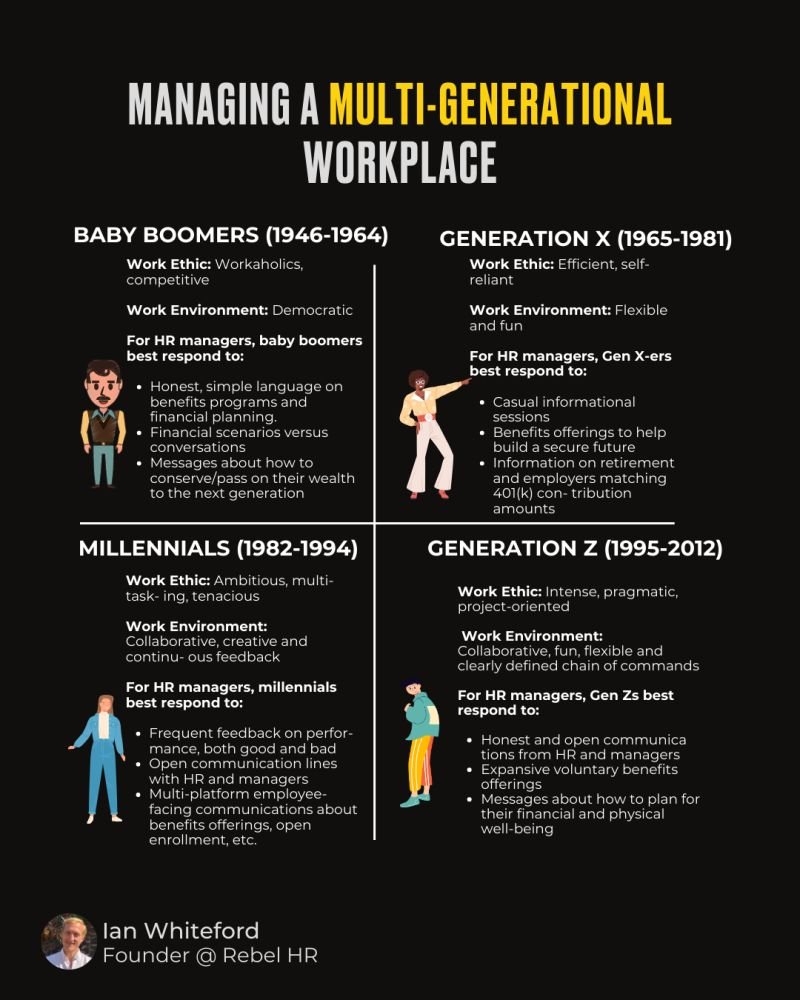
- Generational Gaps: From tech-savvy Gen Z to experienced Baby Boomers, different generations often have distinct communication styles, daily routines, media consumption habits, and perspectives on life, work, and leisure.
- Cultural Backgrounds: Blending families from different ethnic or national origins introduces variations in traditions, food preferences, religious practices, social norms, and even approaches to conflict.
- Personality Types: Introverts living with extroverts, early birds with night owls, meticulous planners with spontaneous free spirits – these inherent personality differences can impact everything from noise levels to shared spaces.
- Lifestyles & Habits: Differing work schedules, dietary restrictions, hobbies, cleanliness standards, or even guest policies can become friction points if not openly discussed.
- Individual Needs: From varying levels of mobility or health concerns to unique sensory sensitivities (e.g., loud noises, strong smells), recognizing and accommodating individual needs is paramount.
Understanding these multifaceted layers of diversity is the first step toward building a truly harmonious home. It’s about recognizing that everyone brings their own unique "operating system" to the household.
The Cornerstones of Coexistence: Essential Pillars for Harmony
Successfully managing multi-generational & diverse households hinges on establishing a few fundamental principles that guide daily interactions and decision-making. Think of these as the structural beams supporting your shared roof.
Pillar 1: Crystal-Clear Communication – The Unspoken Truths
If you take away one thing from this guide, let it be this: talk about everything. Assumptions are the silent destroyers of harmony.
- Regular Family Meetings: Schedule a dedicated time each week or bi-weekly for a family check-in. This isn't just for airing grievances; it's for planning, celebrating, and problem-solving. Establish a clear agenda (e.g., "What went well this week?", "Upcoming schedule changes," "Items for discussion," "Decisions to make"). Everyone should have a voice, and active listening is crucial.
- Active Listening Over Interrupting: When someone speaks, truly listen to understand their perspective, not just to formulate your rebuttal. Repeat back what you've heard ("So, what I hear you saying is...") to ensure clarity.
- Use "I" Statements: Instead of "You always leave your dishes," try "I feel frustrated when the sink is full because I worry about attracting pests." This shifts focus from accusation to personal feeling, which is less confrontational.
- Choose the Right Time and Place: Avoid important discussions when someone is tired, stressed, or rushing out the door. A calm, neutral environment is ideal. Sometimes, a quick text to ask "Can we talk about X later tonight?" is more effective than an ambush.
- The "Parking Lot" Technique: If a discussion gets too heated or off-topic, agree to "park" it and revisit it later when cooler heads prevail.
Pillar 2: Respecting Boundaries – Your Space, My Space, Our Space
Boundaries aren't about building walls; they're about defining healthy perimeters that allow everyone to feel safe, respected, and autonomous within the shared environment.
- Physical Boundaries (Private Zones): Clearly designate private areas (bedrooms, personal offices) where knocking is mandatory and privacy is expected. Discuss "open door" vs. "closed door" policies. Who has access to whose private spaces?
- Time Boundaries (Privacy & Personal Schedules): Understand and respect individual routines. If someone needs quiet time after work, or uninterrupted sleep, honor that. Don't assume free time means availability for errands or childcare.
- Emotional & Conversational Boundaries: Learn to recognize when someone isn't open to a deep discussion or is feeling overwhelmed. Respect their right to process emotions privately or defer a conversation. Avoid unsolicited advice unless specifically asked.
- The "Rule of Prior Notice": For major decisions impacting everyone (e.g., inviting guests for an extended stay, making significant changes to a shared space), always provide prior notice and seek input.
Pillar 3: Shared Responsibilities & Fair Contributions – Pulling Together
A common complaint in shared living is the perception of unequal contribution. Transparency and clear expectations are vital here.
- Chore Charts & Delegation: Don't assume who will do what. Create a rotating chore chart or assign specific tasks based on ability, preference, and availability. For example, younger members might handle tech support or heavier lifting, while older members might oversee meal planning or grocery shopping. Apps can help manage this.
- Childcare & Eldercare Distribution: If childcare or eldercare is a shared responsibility, establish clear schedules and expectations. Who is on duty when? What are the boundaries for intervention in parenting styles? Who handles doctor's appointments?
- Financial Contributions: This is often the trickiest area. Discuss openly and honestly:
- Rent/Mortgage: How will it be split? Per person, per room, or proportionally to income?
- Utilities: (Electricity, water, internet) Divide equally or based on usage?
- Groceries: Will you share all food costs, or only communal items, with individuals buying their own specialty items? A "household fund" for shared expenses can simplify things.
- Unexpected Expenses: How will you handle home repairs or emergencies?
- Shared Purchases: Who pays for new appliances, furniture for shared spaces, or subscriptions?
- Discussing Expectations Openly: Don't wait for resentment to build. Regularly check in on who feels overloaded or under-contributing and adjust as needed. Flexibility is key.
Pillar 4: Mastering Shared Spaces – Design & Decluttering Strategies
The physical environment profoundly impacts emotional well-being. A well-organized home reduces stress and conflict.
- Designated Zones: In shared living areas, can you create "zones"? A quiet reading nook, a dedicated TV area, a workspace. Even within an open-plan living room, subtle furniture arrangements can signal different uses.
- Storage Solutions for Everyone: Maximize vertical space. Label storage bins. Ensure everyone has dedicated space for their personal items, even in shared rooms like kitchens and bathrooms.
- Regular Decluttering & Purging: Shared living areas can quickly become overwhelmed. Schedule regular (e.g., monthly) decluttering sessions for common areas. The "one in, one out" rule can be helpful for communal items.
- Neutral Decor & Personal Touches: While individuals should personalize their private rooms, aim for neutral, calming decor in shared spaces. Allow for small, rotating personal touches (e.g., a shared gallery wall with photos from everyone).
- Managing Noise Levels: Different generations have different ideas of "acceptable" noise. Discuss quiet hours, headphone use, and TV/music volume.
Pillar 5: Navigating Differences with Empathy – Bridging the Gaps
True harmony comes from understanding and appreciating the unique lens through which each person views the world.
- Understanding Different Perspectives: Put yourself in another's shoes. A teenager's need for loud music might seem disrespectful to a grandparent, but to the teen, it's a social connection. A grandparent's advice might seem intrusive to an adult child, but comes from a place of love and experience.
- Compromise, Not Concession: Compromise means finding a middle ground where both parties give a little and feel heard. Concession means one party gives in entirely, often leading to resentment. Seek solutions that are "good enough" for everyone, rather than perfect for just one.
- Learning from Each Other: View differences as opportunities. Older generations can offer wisdom, stability, and life hacks; younger generations can introduce new technologies, perspectives, and energy. Actively seek to understand cultural nuances if your household is diverse in that way.
Practical Playbook: How to Build Your Household's Operating Manual
Moving beyond general principles, here’s how to put these ideas into action and craft a tailor-made system for your unique family.
Step 1: The Initial Huddle – Setting the Stage
Before anyone moves in, or as soon as you recognize the need for a reset, call an all-hands meeting.
- Agenda for the First Meeting:
- Why we're doing this: Reiterate the benefits of multi-generational living and the shared goal of harmony.
- Individual Needs & Hopes: Each person shares their top 1-2 non-negotiables for peaceful living and their hopes for the household.
- Anticipated Challenges: What potential friction points do people foresee? (e.g., "I'm worried about noise late at night," "I need alone time after work.")
- Brainstorm Solutions: For each challenge, collaboratively brainstorm 2-3 potential solutions.
- Next Steps: Agree to draft a simple household agreement.
Step 2: Crafting Your Household Agreement (Informal or Formal)
This isn't a legal document (unless you choose to make it so for financial arrangements), but rather a written understanding of how your household operates. It removes ambiguity and serves as a reference point.
Topics to Cover in Your Household Agreement:
- Finances: Detail who pays for what (rent, utilities, internet, streaming services, groceries, household supplies), how payments are made (e.g., specific due dates, shared bank account, tracking app), and what happens if someone can't pay.
- Chores & Maintenance: List all household tasks and assign responsibilities, rotation schedules, or frequency. Include specific definitions (e.g., "clean kitchen" means counters wiped, dishes put away, floor swept).
- Guest Policies: How many guests are allowed? For how long? Do guests need to be approved? What are the rules for overnight guests or extended stays?
- Noise Levels: Establish quiet hours, especially in shared spaces or near bedrooms. Discuss TV/music volume, phone calls, and appliance use.
- Food & Kitchen Use: Is food shared? Labeled? Are there designated shelves? Cleaning expectations after cooking.
- Childcare/Eldercare: Specific responsibilities, schedules, boundaries regarding discipline or health decisions.
- Pet Care: Who is responsible for feeding, walking, vet visits, and cleaning up after pets? Are there rules about pets in certain areas?
- Communication & Conflict Resolution: Reiterate the process for addressing issues (e.g., "We'll bring it up in the weekly meeting," "We agree to talk one-on-one first," "If we can't resolve it, we'll ask a neutral family member to mediate").
- Privacy Expectations: Reconfirm knocking rules, personal space, and respecting closed doors.
- Exit Strategy (Optional but Smart): Discuss what happens if the arrangement isn't working for someone. How much notice is required? What are the financial implications? This can feel awkward, but it provides a safety net.
Example Snippet: "Kitchen cleaning: Daily wipe-down of counters (Person A), weekly deep clean of sink/stove (Person B on M/W/F, Person C on T/Th/Sat), dishwasher loaded/unloaded daily by whoever used it."
Step 3: Tools for Seamless Operation
Modern technology can be a huge asset in managing multi-generational & diverse households.
- Shared Digital Calendars: Google Calendar, Apple Calendar, or specialized family apps like Cozi can track everyone's appointments, work schedules, school events, and social plans, avoiding double-bookings and keeping everyone informed.
- Communication Apps: A dedicated group chat (WhatsApp, Signal, etc.) for quick updates, grocery lists, or non-urgent questions.
- Whiteboards/Message Centers: A physical whiteboard in a common area for shared notes, reminders, or a rotating "chore of the day."
- Financial Tracking Apps: Apps like Splitwise or similar can help track shared expenses and simplify who owes what, ensuring transparency.
Step 4: Proactive Problem-Solving – When Conflicts Arise
Despite best efforts, conflicts will arise. The goal isn't to eliminate them, but to manage them constructively.
- Scheduled Check-ins: Beyond official family meetings, have informal check-ins. "How are things feeling around the house?" can open doors to smaller issues before they escalate.
- Internal Mediation: If two people are struggling to resolve an issue, a third, neutral household member can act as a mediator, ensuring both sides are heard and guiding them toward a solution.
- External Mediation (If Needed): For deeply entrenched issues or if household members are struggling to communicate respectfully, consider professional family mediation. This objective third party can provide tools and facilitate breakthroughs.
- Agreeing to Disagree: Not every issue needs a definitive resolution. Sometimes, the best outcome is simply to acknowledge differing views and agree to respectfully coexist despite them, focusing on the larger picture of harmony.
Addressing Common Pitfalls & FAQs
You're not alone in facing specific challenges. Here are some common dilemmas in managing multi-generational & diverse households:
Q: What if someone isn't pulling their weight with chores or finances?
A: This is a classic. Start by revisiting your household agreement and the shared understanding of responsibilities. Use "I" statements in a private, one-on-one conversation first. For example, "I've noticed the dishes haven't been done on your days, and I'm feeling overwhelmed trying to keep up. Can we talk about a solution?" If it persists, bring it up at a family meeting, focusing on the impact on the household rather than blaming. Re-evaluate if the tasks are assigned fairly or if someone needs support/training for a task.
Q: How do we handle different parenting styles when grandparents live with us?
A: This requires explicit boundaries and a united front from the parents. Grandparents' input is often well-intentioned but can undermine parental authority. Parents should establish clear "house rules" for the children and present them to the grandparents. For instance, "We appreciate your love for the kids, but for discipline, we ask that you defer to us or support our decisions." Grandparents can be incredible sources of love and support, but the primary parenting role should remain with the parents, with clear communication about expectations regarding discipline, diet, screen time, etc.
Q: What about privacy for couples/individuals?
A: Emphasize private bedrooms as sanctuaries. Implement a strict "knock first" rule. Agree on shared space usage – perhaps an hour-long "quiet time" in the living room for one person, or designated "date nights" when others retreat to their rooms. Respect individual needs for alone time, and avoid interrupting someone who is clearly engrossed in a private activity (reading, on a call, etc.).
Q: My family has different cultural norms – how do we blend them?
A: Celebrate them! Frame it as an opportunity for learning and enrichment.
- Education: Share your traditions, holidays, and customs with each other. Explain the "why" behind practices.
- Compromise: Find common ground. Can you alternate between different cultural meal types, or blend holiday traditions?
- Designated Spaces: If certain practices require specific items or spaces (e.g., prayer area, kitchen tools for specific cuisine), ensure those are respected and accommodated.
- Open Dialogue: If a cultural norm feels challenging to another, discuss it respectfully to find a compromise or better understanding.
Q: When is it time to reconsider the arrangement?
A: This is a tough but important question. It's time to reconsider if: - Chronic Unhappiness: One or more members are consistently unhappy, stressed, or resentful despite efforts at communication and compromise.
- Unresolved Conflict: Core issues are repeatedly resurfacing and cannot be resolved through any means (family meetings, mediation).
- Safety/Well-being Concerns: If physical or emotional safety or mental health is genuinely at risk for any household member.
- Fundamental Incompatibility: If core values, lifestyles, or expectations are so divergent that living together creates more harm than good.
An exit strategy, discussed respectfully and in advance, can make this difficult transition smoother.
The Unexpected Rewards: Why It's All Worth the Effort
While the challenges of managing multi-generational & diverse households are real, the rewards can be profoundly enriching and life-altering.
- Enhanced Support System: An instant built-in network for childcare, eldercare, emotional support, and practical help. There's always someone around to lend a hand, share a meal, or offer a listening ear.
- Financial Benefits: The collective pooling of resources can significantly reduce individual housing costs, utilities, and even food expenses, freeing up funds for other goals.
- Cultural Exchange & Learning: Living with different generations and cultures broadens perspectives, fosters empathy, and can expose everyone to new ideas, traditions, and ways of thinking. Grandparents might learn new tech skills, while grandchildren gain historical perspective.
- Stronger Family Bonds: Navigating challenges together and sharing daily life deepens relationships, builds resilience, and creates a rich tapestry of shared memories.
- Reduced Isolation: Especially beneficial for older adults or single parents, multi-generational living combats loneliness and fosters a sense of belonging.
- Skill Development: Kids learn responsibility and adaptability. Adults hone their communication, negotiation, and empathy skills.
Your Next Steps for a Harmonious Home
The journey of managing multi-generational & diverse households is ongoing, requiring continuous effort, patience, and love. There's no single "right" way to do it, but there are proven strategies that lay the groundwork for success.
Start today by:
- Scheduling that first, honest family meeting.
- Drafting a basic household agreement covering just 2-3 key areas (e.g., finances, chores, communication). You can build on it.
- Identifying one small change you can make to improve communication or respect a boundary this week.
- Celebrating small victories and acknowledging the effort everyone is making.
Remember, your home is a living entity, constantly evolving. By committing to open dialogue, mutual respect, and a spirit of collaboration, you're not just creating a living arrangement; you're building a resilient, supportive, and truly vibrant family ecosystem where everyone can flourish.