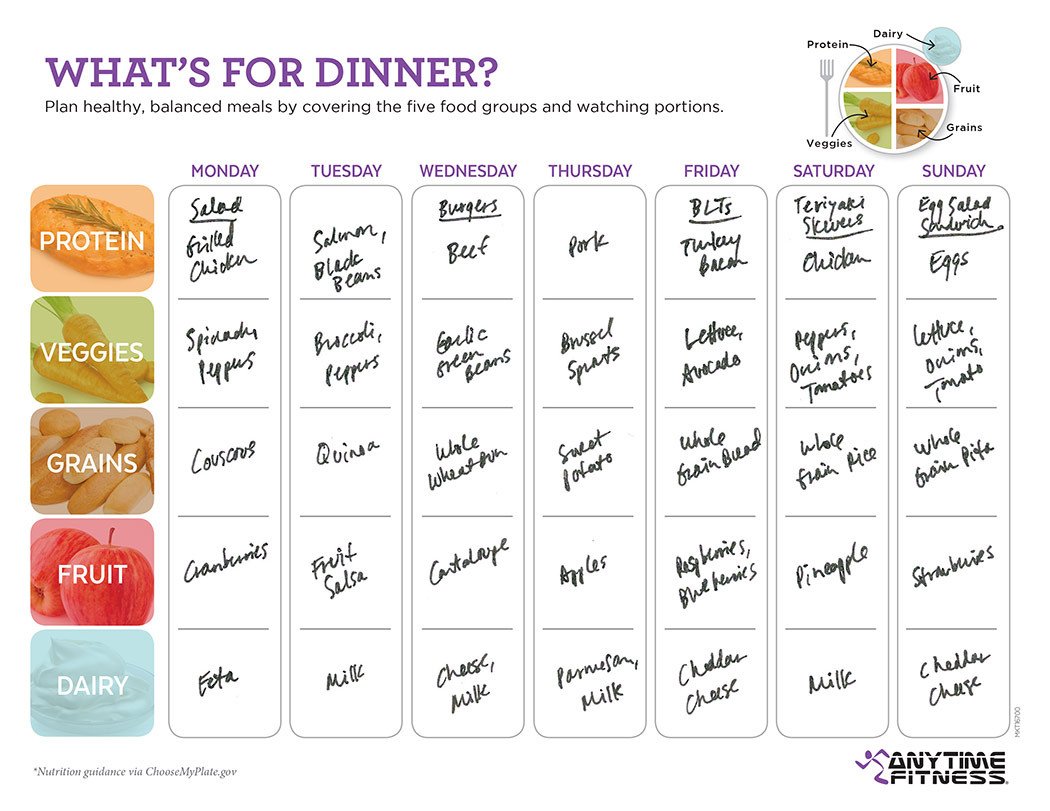
The hidden cost of an unplanned plate isn't just a growling stomach; it's a significant drain on your wallet, your time, and even the planet. Effectively tackling Meal Planning & Food Management for Households is one of the most powerful changes you can make to reclaim control over your kitchen, slash your grocery bill, and dramatically reduce your environmental footprint. Forget the rigid meal prep stereotypes – this is about smarter systems, greater flexibility, and finding joy in truly nourishing your home.
At a Glance: Your Blueprint for Smarter Food Management
- Cut Waste, Save Money: Poor meal planning is a primary driver of household food waste, leading to wasted dollars and unused ingredients.
- Reduce Your Carbon Footprint: Minimizing food waste directly lowers greenhouse gas emissions associated with food production and disposal.
- Boost Your Health: Planned meals often lead to healthier eating habits and less reliance on expensive, less nutritious takeout.
- Reclaim Time & Reduce Stress: A clear plan eliminates the daily "what's for dinner?" dilemma and streamlines grocery trips.
- Flexibility is Key: Modern meal planning isn't about rigidity; it's about building adaptable systems that account for life's unpredictability.
- Beyond the List: True food management involves smart shopping, proper storage, and creative repurposing of ingredients.
The Unseen Costs of Culinary Chaos
Ever stared into a fridge full of food with "nothing to eat"? You're not alone. For many households, the cycle of overbuying, forgetting, and ultimately discarding perfectly good food is a silent, costly habit. Research highlights that poor meal planning is a key reason for this waste, often compounded by buying inappropriate package sizes and a lack of accounting for what's already on hand (ResearchGate, 2024).
This isn't just about the food itself. Every item we buy carries the embedded costs of water, energy, labor, and transportation. When it goes to waste, so do all those resources. In fact, beyond just food weight, the greenhouse gas emissions (GHGE) associated with our food choices are a critical performance indicator for food waste (ResearchGate, 2024). By optimizing your Meal Planning & Food Management for Households, you're not just saving a few bucks; you're actively contributing to a more sustainable world.
Why Bother with a Plan? The Tangible Benefits You'll Taste and Feel
Let's be clear: meal planning isn't a chore; it's a strategic advantage. It shifts you from reactive cooking to proactive control, bringing a cascade of benefits that touch every corner of your home life.
Slash Your Spending and Stop the Waste Cycle
Imagine how much money you throw away with every wilted vegetable, expired yogurt, or forgotten leftover. Meal planning directly addresses this by ensuring you only buy what you need and intend to use. When you buy in bulk, for instance, you can save money, but only if you have a plan to utilize all of it. Without that foresight, those "deals" can quickly become costly waste. Studies show that planning practices, like making shopping lists and stocking up for multiple meals, substantially reduce household food waste (Ananda et al., 2023; Stefan et al., 2013; Van Rooijen et al., 2024).
Nourish Your Body, Naturally
When you plan your meals, you’re more likely to incorporate a diverse range of fruits, vegetables, and whole grains. You control the ingredients, cutting down on processed foods, excess salt, sugar, and unhealthy fats often found in convenience meals or takeout. This foresight naturally leads to healthier eating habits for everyone in your household.
Reclaim Your Precious Time and Sanity
That dreaded "what's for dinner?" question, usually asked at the most exhausted point of your day, can become a relic of the past. With a plan, you know exactly what you're cooking, what ingredients you need, and often, how long it will take. This frees up mental energy, reduces impulse buys at the grocery store, and streamlines your kitchen routine. Think less stress, more time for what truly matters.
Be a Friend to the Planet
Every carrot that doesn't end up in the bin, every meal that doesn't contribute to landfill, makes a difference. As the research indicates, careful weekly meal planning can help reduce not only household waste but also the carbon footprint of your diet (ResearchGate, 2024). This is a practical, everyday way to take action against climate change right from your kitchen. You can learn more about how to manage your entire living space sustainably when you Explore the Household Of.
The Core Pillars of Effective Food Management: More Than Just a List
True food management goes beyond just scribbling down dinner ideas. It's a holistic approach built on three interconnected pillars.
Pillar 1: Strategic Meal Planning – Your Roadmap to Success
At its heart, meal planning is about intentionality. It's the process of deciding what you and your household will eat for a set period, typically a week, before you go shopping.
What Does It Really Mean?
It's not about pre-cooking every single meal on Sunday (unless you want to!). It’s about having a clear idea of your upcoming meals, allowing you to create a precise shopping list and minimizing on-the-fly decisions that often lead to waste or expensive takeout. Think of it as a blueprint for your culinary week.
The "Unpredictability Paradox" and How to Beat It
One of the biggest hurdles to planning is the dynamic nature of daily life. Spontaneous invites, unexpected late work nights, or simply a change of mood can derail the best intentions (Dobernig and Schanes, 2019; Evans, 2015; Ganglbauer et al., 2013). The key isn't to create an unbreakable plan, but a flexible one. Build in "flex nights," plan for leftovers, and have a few quick, go-to meals that don't require specific fresh ingredients.
Pillar 2: Smart Shopping – Buying What You Need, Not Just What's On Sale
Your grocery trip is where money is won or lost. A well-executed shopping strategy ensures your pantry and fridge are stocked with purpose.
The Power of the List:
This is non-negotiable. A detailed shopping list, based directly on your meal plan and current inventory, is your shield against impulse buys and forgotten essentials. Before you even set foot in the store, you should know exactly what you need. This is a fundamental step toward savvy grocery budgeting.
Understanding Package Sizes and Avoiding Impulse Buys:
The research highlights how inappropriate discrete package sizes at the supply level contribute to waste (ResearchGate, 2024). Your job is to buy with intention. Does that family-sized pack of chicken really make sense if you're only cooking for two, and don't plan to freeze half? Factor in your household size and consumption patterns. Don't be swayed by "deals" if they mean buying more than you can realistically use before it spoils.
Shopping Frequency: Prevention vs. Recovery:
A prevention approach involves planning and shopping for multiple days at once, which substantially reduces food waste. A recovery approach suggests more frequent, smaller supermarket visits (ResearchGate, 2024). While some enjoy daily trips, for most busy households, a larger, less frequent shop (e.g., weekly) based on a solid plan is far more efficient and waste-reducing.
Pillar 3: Savvy Storage & Inventory – Making Food Last
You've planned, you've shopped smartly – now protect your investment. Proper storage extends shelf life and prevents food from being forgotten.
First-in, First-out (FIFO) at Home:
Just like in a professional kitchen, adopt the "first-in, first-out" principle. When you bring new groceries home, move older items to the front of your fridge or pantry so they're used first. This simple habit can prevent countless items from expiring unnoticed.
Proper Storage Techniques:
Understanding how to store different foods is crucial. Berries need to be kept dry, greens often do best in breathable bags, and many fruits ripen faster near others. A little knowledge here goes a long way in preserving freshness. Dive deeper into smart food storage techniques to maximize the life of your produce and pantry staples.
The "Use-It-Up" Mentality:
Before every new meal planning cycle, take stock. What needs to be used up this week? Build meals around those ingredients first. This prevents accumulation and ensures nothing gets left behind.
How to Build Your Household Meal Planning System: A Step-by-Step Guide
Ready to transform your kitchen? Here’s a practical, step-by-step framework to implement Meal Planning & Food Management for Households that actually works.
Step 1: Assess Your Current Reality (Inventory, Schedule, Preferences)
Before you plan, know your starting point.
- Take Inventory: What's in your pantry, fridge, and freezer? Make a quick list of items that need to be used up.
- Map Your Week: Look at your household's schedule. Are there late nights, early mornings, or social commitments? Designate "flex nights" or nights for quick meals.
- Gather Input: Ask family members for meal ideas, dietary restrictions, or favorite dishes. This boosts engagement and reduces complaints.
Step 2: Brainstorm Meals & Recipes (Flexibility is Key)
Don't overthink this.
- Start with "Use-It-Up" Items: Can you build a meal around that leftover rice or those wilting bell peppers?
- Theme Nights (Optional but Helpful): Taco Tuesday, Pasta Thursday, Meatless Monday. This can simplify brainstorming.
- Factor in Prep Time: On busy nights, opt for minimal-prep dishes or meals that can be partially prepped ahead. Having a repertoire of quick weeknight meals is invaluable here.
- Consider Doubling Recipes: If a dish freezes well (like lasagna or chili), plan to make a double batch for future easy meals.
Step 3: Craft Your Weekly Plan (Template Ideas)
You can use a simple notebook, a whiteboard, a spreadsheet, or a dedicated app.
- Create a Grid: List days of the week, and fill in breakfast, lunch, dinner, and even snacks if desired.
- Balance Meals: Aim for variety in proteins, vegetables, and cooking methods.
- Factor in Leftovers: Deliberately plan for larger dinner portions to become tomorrow's lunch. This is a huge time-saver.
- Don't Forget "Flex" Spots: Leave one or two nights open for spontaneity, eating out, or using up last-minute leftovers.
Example Mini-Plan Snippet: - Monday: Roasted Chicken & Veggies (plan for extra chicken)
- Tuesday: Chicken Salad Sandwiches (using leftover chicken) / Black Bean Burgers
- Wednesday: Pasta with Marinara & Side Salad
- Thursday: Sheet Pan Fajitas
- Friday: Pizza Night (homemade or takeout)
- Saturday: Flex Night / Dinner out
- Sunday: Slow Cooker Chili (plan to freeze half)
Step 4: Create Your Shopping List (Detail is Your Friend)
This is where your plan translates into action.
- Go Through Each Meal: List every single ingredient needed.
- Check Your Inventory Again: Cross off items you already have.
- Organize by Store Section: Grouping items by produce, dairy, meat, pantry, etc., makes your shopping trip faster and more efficient.
- Add Non-Food Essentials: Don't forget paper towels, toiletries, or pet food.
Step 5: Shop Smart & Store Right
Stick to your list! Avoid browsing aisles that aren't on your plan. Once home, immediately store groceries properly using your smart food storage techniques. Wash and chop some produce if it will save time later in the week.
Step 6: Cook, Adapt, & Repurpose
- Follow Your Plan, But Be Flexible: If you're really not in the mood for what's planned, swap it with a "flex night" or a quick backup meal. The goal is to eat at home, not to be a slave to the plan.
- Batch Cook Components: Cook a large batch of grains (quinoa, rice), roast a tray of vegetables, or grill extra chicken breasts to mix and match for different meals.
- Embrace Leftovers: Actively seek creative ways to use leftovers. Turn roasted vegetables into a frittata, or leftover chili into stuffed potatoes.
Beyond the Basics: Advanced Tips for Culinary Control
Once you've mastered the fundamentals, these strategies can take your food management to the next level.
Batch Cooking & Freezer Meals: Your Future Self Will Thank You
Dedicate a few hours on a less busy day (e.g., Sunday afternoon) to prep. This could mean chopping all your vegetables for the week, making a big pot of soup, or assembling casseroles to freeze. Freezer meals are a lifesaver for busy weeks, unexpected events, or just when you need a break from cooking. Label everything with the dish name and date.
Mastering the Art of Repurposing Leftovers
This is a game-changer for reducing waste. Instead of just reheating, transform leftovers into entirely new dishes.
- Roast Chicken: Becomes chicken salad, quesadillas, chicken soup.
- Roasted Veggies: Turn into a frittata, omelet filling, or blended into a soup.
- Cooked Grains: Perfect for grain bowls, fried rice, or added to soups.
- Seek out creative ways to use leftovers to expand your culinary repertoire and ensure nothing goes to waste.
Tracking Your Progress: What Gets Measured Gets Managed
Consider a simple food waste audit for a week or two. Keep a small log of what food gets thrown away and why. Was it forgotten? Did you buy too much? Did it spoil because it wasn't stored properly? This insight is incredibly powerful for refining your planning strategy and identifying specific areas for improvement.
Involving the Whole Household
Meal planning is a team sport. Get everyone involved in choosing meals, preparing shopping lists, and even helping with simple prep tasks. Children are more likely to eat meals they've had a hand in planning or preparing. This also teaches valuable life skills.
Common Questions & Misconceptions About Meal Planning
Let's clear up some common concerns that might hold you back.
"Is meal planning too rigid? What about spontaneity?"
Modern meal planning is all about informed flexibility. It's a guide, not a dictator. Build in "flex nights," plan for one or two nights of leftovers, and always have quick pantry meals as backups. If a spontaneous dinner invite comes up, swap it with a planned meal for another night. The goal is less waste and stress, not rigid adherence.
"Doesn't it take too much time?"
Initially, yes, it might take an hour or two to get into the rhythm. However, this upfront investment pays dividends throughout the week. You'll save time on daily decision-making, fewer grocery trips, faster cooking, and less food waste cleanup. Many people find they save more time than they spend.
"What if my family members are picky eaters or have allergies?"
This is precisely where meal planning shines! You can consciously plan meals that cater to specific needs, ensure allergen-free options, and incorporate everyone's favorites. You can also plan components rather than whole meals (e.g., a protein, a grain, and two vegetable options), allowing individuals to build their own plates.
"I always forget what I have or let things expire."
This points back to the inventory and storage pillars. Make a habit of doing a quick fridge/pantry check before planning. Organize your fridge so older items are visible. Proper storage using smart food storage techniques also significantly extends freshness, giving you more time to use items.
Your Next Move: Start Small, Stay Consistent
Adopting comprehensive Meal Planning & Food Management for Households doesn't mean you need to revolutionize your kitchen overnight. Start with one meal a day, or just planning dinners for three nights a week. Master one pillar before moving to the next. The most important thing is to start, learn, adapt, and build consistency.
Every planned meal, every item saved from the bin, and every dollar kept in your pocket is a win. You'll soon discover that a little foresight in the kitchen creates a ripple effect of calm, savings, and sustainability throughout your entire household. Take the first step today – your future self (and your wallet, and the planet) will thank you.