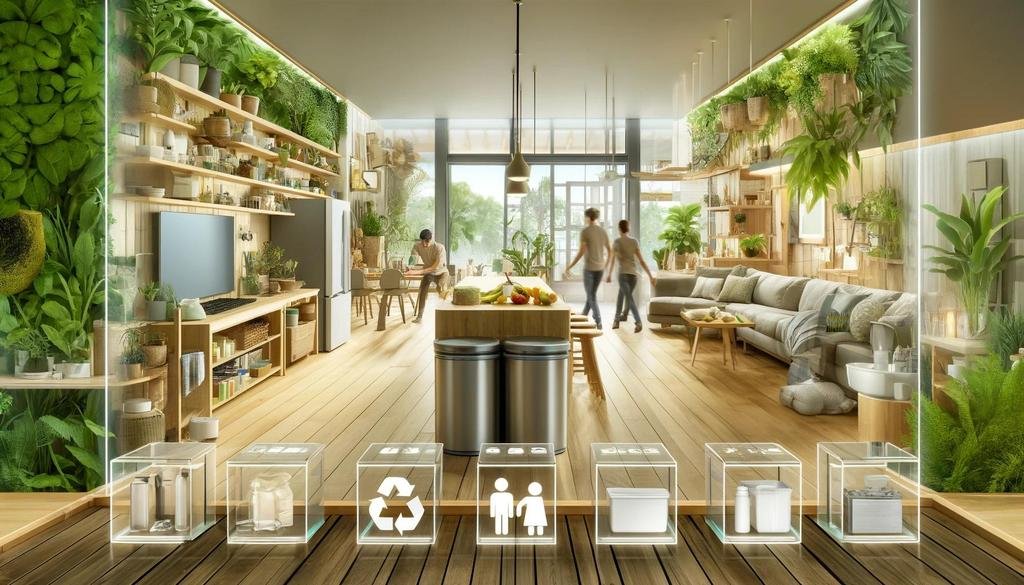
Our homes are more than just four walls and a roof; they're the heart of our daily lives, sanctuaries, and, often, a significant contributor to our environmental footprint. Shifting towards Sustainable Household Practices isn't just a trendy idea; it's a practical, powerful way to improve your well-being, save money, and contribute to a healthier planet. Imagine a home that functions in harmony with nature, where every choice, big or small, supports a more regenerative future. Sound daunting? It doesn't have to be. We're here to guide you through making impactful changes, one thoughtful step at a time.
At a glance: Your Path to a Sustainable Home
- Mindset First: Adopt the "5S" method for mindful organization before tackling big projects.
- Slash Energy Use: Embrace smart tech, energy-efficient appliances, and solar power.
- Conserve Water: Install low-flow fixtures and harvest rainwater.
- Master Waste: Reduce, Reuse, Recycle, and compost vigorously.
- Go Green with Goods: Choose natural cleaners, sustainable furnishings, and local foods.
- Eat Smart: Explore the benefits of a plant-based diet for health and the planet.
- Move Mindfully: Prioritize walking, biking, public transport, or carpooling.
- Connect Locally: Support local businesses and participate in community green efforts.
Why Your Home's Habits Matter for a Healthier Planet
Every light switch, faucet turn, and grocery choice in your home has a ripple effect. Collectively, our households consume vast amounts of energy and water, generate tons of waste, and contribute significantly to carbon emissions. The good news? This means our individual actions hold immense power. By adopting sustainable household practices, you're not just greening your own space; you're setting an example, fostering a healthier environment for your family, and often, discovering clever ways to save money in the process.
This isn't about perfection; it's about progress. It's about empowering you with the knowledge and tools to make informed decisions that align with your values and contribute to a more resilient world.
Building a Sustainable Foundation: The Power of Intentional Organization
Before you dive into grand eco-renovations, let's talk about the bedrock of efficiency: organization. A cluttered, disorganized home often leads to wasted resources, forgotten items, and impulse purchases. This is where the "5S" methodology, traditionally used in manufacturing for lean processes, shines in a household context. It’s a powerful framework for cultivating intentionality, a vital precursor to truly sustainable living.
The 5S Framework for a Mindful Home:
- Sort (Seiri): Declutter with Purpose.
- Go through everything. Ask yourself: Do I need this? Does it spark joy (à la Marie Kondo)? Is it still functional?
- Action: Categorize items: Keep, Donate/Sell, Repair, Recycle, Dispose. For instance, sort clothes by season, household tools by function, or pantry items by expiration date. This isn't just about tidiness; it’s about understanding what you truly own and what you actually use.
- Set in Order (Seiton): A Place for Everything.
- Once you know what you're keeping, assign a designated, logical spot for each item. Tools and materials should be easily accessible.
- Action: Store frequently used items close at hand. Label bins or shelves. Group similar items together. Imagine reaching for a reusable shopping bag exactly where you expect it, rather than rummaging. This step reduces frustration and makes sustainable choices (like bringing your own bag) easier.
- Sweep (Seiso): Keep it Clean and Check-Up.
- This isn't just about physical cleaning; it's about inspecting your space and identifying potential problems or inefficiencies.
- Action: Regularly clean work areas (kitchen counters, desk, garage). While cleaning, notice things. Is that faucet dripping? Is a lightbulb flickering? Is there expired food lurking in the back of the fridge? This proactive "sweep" helps catch issues before they become wasteful problems.
- Standardize (Seiketsu): Make it a Habit.
- This is about creating consistent procedures and routines that maintain the organized state. It turns conscious efforts into unconscious habits.
- Action: Establish routines: a weekly declutter of flat surfaces, a system for putting away laundry, a consistent recycling process. Maybe you always put your keys in the same bowl or immediately sort mail. Standardized procedures make sustainable living default, not an effort.
- Sustain (Shitsuke): Nurture and Improve.
- The long-term commitment. This means continuously monitoring, adapting, and improving your systems. It’s about cultivating a culture of sustainability within your home.
- Action: Regularly review your 5S practices. What's working? What's not? Educate family members on the systems. Celebrate small victories. This ongoing commitment ensures your home remains a well-oiled machine, supporting your sustainable goals.
By embracing the 5S methodology, you lay a stable groundwork, transforming your household into an efficient, mindful operation where sustainable choices become intuitive.
Powering Down Your Footprint: Energy Efficiency at Home
Energy consumption is a major player in your carbon footprint. Luckily, making significant reductions doesn't require a total home overhaul; many effective changes are surprisingly simple and cost-effective.
Smart Solutions for Smarter Energy Use:
Integrating smart devices is perhaps one of the easiest ways to start. Smart lighting systems can be programmed to turn off when a room is empty or adjust intensity based on natural light. Similarly, smart HVAC systems learn your habits, optimizing heating and cooling to significantly reduce energy waste. They can be controlled remotely, allowing you to adjust settings from afar, ensuring you're not cooling an empty house.
Beyond smart tech, upgrading to energy-efficient appliances makes a substantial difference. Look for the ENERGY STAR label when purchasing new refrigerators, washing machines, dishwashers, or water heaters. These appliances are designed to use less energy, saving you money on utility bills and reducing greenhouse gas emissions.
The Stealthy Drain: Tackling Standby Power
Did you know that many electronics still draw power even when turned off? This "vampire drain" or "standby power" can account for 5-10% of your household electricity use.
Actionable Steps:
- Unplug Devices: The simplest solution is to unplug electrical devices completely when not in active use. This includes phone chargers, toasters, coffee makers, and even TVs or computers if you're going away for an extended period.
- Power Strips: Use power strips with on/off switches. You can flip a single switch to cut power to multiple devices at once (e.g., your entire entertainment system).
- Smart Plugs: Invest in smart plugs that can turn off power to devices remotely or on a schedule.
Reducing standby power might seem minor, but it's a collective effort that helps reduce greenhouse gas emissions, air pollution, and smog.
Embracing Renewable Energy: Sun, Wind, and Beyond
For a more impactful shift, consider sourcing your energy from renewable providers. Many utility companies now offer options to purchase electricity generated from solar, wind, or hydropower. Check with your local provider to see if this is available in your area.
For homeowners, installing solar panels is a significant investment that pays dividends in the long run. Solar panels can generate clean, renewable energy directly for your home, dramatically reducing or even eliminating your reliance on grid electricity. Government incentives and financing options often make this more accessible than you might think.
Water Wisdom: Conserving Our Most Precious Resource
Freshwater is a finite resource, and conserving it at home is crucial. From our showers to our gardens, there are countless opportunities to reduce water consumption without sacrificing comfort.
Inside Your Home: Efficient Fixtures and Habits
One of the most effective strategies is installing water-efficient fixtures.
- Low-Flow Showerheads and Taps: These fixtures significantly reduce the amount of water used per minute while maintaining adequate pressure. A typical showerhead can use 2.5 gallons per minute (gpm), while a low-flow version might use 1.5-2.0 gpm. Over time, this saves thousands of gallons.
- Dual Flush Toilets: These offer two flush options: a half-flush for liquid waste and a full-flush for solid waste, conserving a substantial amount of water compared to older, single-flush models.
- Check and Fix Leaks: A leaky faucet dripping once per second can waste over 3,000 gallons of water per year! Regularly check for leaks in faucets, toilets (add a few drops of food coloring to the tank; if color appears in the bowl without flushing, you have a leak), and irrigation systems. Fixing these promptly is paramount.
- Shorter Showers: Aim to reduce your shower time by even a few minutes. Every minute counts. Try using a timer or playing a short song to guide you.
- Mindful Dishwashing: Only run your dishwasher when it's full. If washing by hand, fill one basin with wash water and another with rinse water instead of letting the tap run continuously.
Outside Your Home: Harvesting and Smart Landscaping
- Rainwater Harvesting Systems: Install a rain barrel or a more elaborate system to collect rainwater from your roof. This water, perfect for irrigating plants, reduces your reliance on treated tap water for gardening.
- Water-Wise Landscaping: Choose drought-resistant native plants that require less irrigation. Mulch your garden beds to retain soil moisture and reduce evaporation.
Waste Not, Want Not: Mastering the 3 Rs and Beyond
Waste reduction is at the core of sustainable living. The classic "3 Rs" – Reduce, Reuse, Recycle – offer a powerful hierarchy, but modern sustainable practices extend far beyond them.
The Foundation: Reduce, Reuse, Recycle
- Reduce: This is the most crucial step. Minimize your consumption in the first place.
- Meal Planning: Plan meals to avoid over-purchasing and food spoilage. This is a huge win for both your wallet and the planet.
- Portion Control & Sharing: Manage food waste by serving appropriate portions and sharing leftovers.
- Smart Shopping: Buy only what you need. Avoid single-use plastics like disposable water bottles, coffee cups, and plastic wraps. Opt for items with minimal packaging.
- Reuse: Find new purposes for items or use durable alternatives.
- Reusable Items: Carry reusable water bottles, coffee cups, and cloth bags. Replace plastic wraps with reusable silicone bowl covers or beeswax wraps. Swap single-use cotton wipes for washable cloths.
- DIY Projects: Engage in DIY projects for household products (like cleaning sprays or personal care items) to reduce plastic packaging waste.
- Proper Storage: Learn proper storage techniques for leftovers to extend their life and minimize waste.
- Recycle: When you can't reduce or reuse, recycle responsibly.
- Know Your Local Rules: Recycling guidelines vary widely. Understand what materials your local facility accepts.
- E-waste: Don't throw electronics in the regular trash. Recycle e-waste (old phones, computers, batteries) at designated collection points. These items contain hazardous materials and valuable components that can be recovered.
- Educate Your Family: Teach everyone in your household about proper waste reduction and recycling, from sorting plastic bottles to handling cardboard boxes.
Beyond the Bins: Composting and Conscious Consumption
- Composting Kitchen Scraps and Yard Waste: Turn kitchen leftovers (fruit and vegetable peels, coffee grounds, eggshells) and yard waste into nutrient-rich garden soil. Composting diverts organic material from landfills, where it would otherwise produce methane, a potent greenhouse gas. Many communities offer composting services, or you can start a simple backyard compost pile.
- Sustainable Fashion: The textile industry has a significant environmental impact. Support sustainable fashion by shopping at thrift stores, repairing clothing instead of replacing it, or choosing brands that prioritize ethical and eco-friendly production. For instance, can a torn seam be mended? Can a worn-out T-shirt become a cleaning rag?
To truly round out your knowledge on making your home a beacon of green living, remember to explore all things household through a sustainability lens, from the products you use to the energy you consume.
Greener Goods: Cleaning, Furnishing, and Shopping Smart
The products we bring into our homes and the way we furnish them have a significant environmental and health impact. Choosing wisely can transform your indoor environment.
A Breath of Fresh Air: Natural Cleaning & Indoor Quality
Conventional cleaning agents often contain harsh chemicals like bleach and detergents that can pollute waterways and contribute to indoor air pollution. Fortunately, effective, natural alternatives are readily available.
Actionable Steps:
- DIY Cleaners: Replace harsh cleaning chemicals with natural alternatives like white vinegar, baking soda (bicarbonate), and lemon juice.
- White Vinegar: Excellent for disinfecting, cutting grease, and descaling. Mix with water for an all-purpose cleaner.
- Baking Soda: A gentle abrasive, deodorizer, and stain remover. Use it as a scrub for sinks and tubs.
- Lemon Juice: A natural bleach and powerful degreaser, leaving a fresh scent.
- Enhance Indoor Air Quality: Beyond avoiding harsh chemicals, improve indoor air quality by using HEPA filter-equipped vacuums to capture allergens and fine particles. Incorporate houseplants, which naturally filter certain toxins from the air. Ensure good ventilation by opening windows regularly.
Furnishing with Conscience: Beyond New Buys
When it comes to home furnishings, think circular economy.
- Recycled Materials: Opt for furniture crafted from recycled or upcycled materials.
- Vintage & Secondhand: Explore thrift stores, consignment shops, and auction houses for durable, unique vintage pieces instead of purchasing new items. This reduces demand for new manufacturing and keeps perfectly good furniture out of landfills.
- Sustainable Sourcing: If buying new, look for furniture made from sustainably harvested wood (FSC certified) or with natural, non-toxic finishes.
Food Choices: Local, Seasonal, Organic
Your grocery cart is a powerful tool for sustainability.
- Farmers' Markets: Prioritize local, seasonal, and organic foods from farmers' markets. This reduces the carbon footprint associated with long-distance transportation and supports local economies.
- Reduce Packaging: Bring your own reusable produce bags to the market.
- Support Local: Choosing local communities through local hiring or supporting local businesses also helps reduce the environmental impact by strengthening local supply chains and reducing transportation needs. Educating guests about your sustainable habits can also be a gentle way to spread awareness.
Nourishing Your Body, Nurturing the Planet: The Plant-Based Path
The food system, particularly meat and dairy production, is a significant contributor to greenhouse gas emissions, land degradation, and water pollution. Adopting a plant-based diet is one of the most impactful sustainable household practices you can embrace.
The Power of Plants: Benefits for You and Earth
Plant-based diets have been shown to reduce diet-related gas emissions by up to 35 percent. Beyond environmental benefits, they offer numerous health advantages, including a reduced risk of heart disease, type 2 diabetes, and certain cancers, often leading to improved overall health and vitality.
Making the Shift: Practical Tips
You don't have to go vegan overnight. Small, consistent changes can make a big difference.
- Gradual Reduction: Start by reducing meat consumption gradually. Try a "Meatless Monday" or commit to one meat-free day a week.
- Explore New Recipes: Discover the vast and delicious world of vegan and vegetarian cuisine. There are countless recipes online and in cookbooks.
- Focus on Whole Foods: Build your meals around whole grains, legumes, fruits, vegetables, nuts, and seeds.
- Experiment with Meat Alternatives: Many plant-based meat alternatives are now available, making the transition easier for some.
Mindful Movement: Sustainable Transportation Choices
Transportation is a major source of carbon emissions. The average passenger car, for example, emits approximately 4.6 metric tons of carbon dioxide annually. Rethinking how you get around can significantly reduce your household's carbon footprint.
Reducing Your Ride: Drive Less, Live More
The most effective way to reduce transportation emissions is to drive less.
- Walk or Bike: For short distances, walking or biking is not only zero-emission but also great for your health.
- Public Transport: Utilize public transportation (buses, trains, subways) whenever possible. It's often more efficient than individual car travel, especially in urban areas.
- Carpooling and Ride-sharing: Share rides with colleagues or friends, or use ride-sharing services that promote carpooling.
- Electric Vehicles (EVs): If purchasing a new vehicle, consider an electric vehicle. While they still have an environmental footprint in manufacturing, their operational emissions are significantly lower, especially when charged with renewable energy.
Beyond Your Walls: Community and Connection
Sustainable living isn't just about what happens inside your home; it's also about your relationship with the wider community and environment.
Supporting Your Local Ecosystem
- Support Local Businesses: Beyond farmers' markets, actively seek out and support local businesses. This strengthens your community, reduces transportation needs for goods, and often means supporting businesses with values aligned with sustainability.
- Community Engagement: Participate in community cleanups, tree-planting initiatives, or local environmental conservation efforts. Your involvement can amplify impact and build a stronger, greener community.
- Plant Trees: If you have the space, planting trees can improve air quality, provide shade (reducing cooling needs), and create habitats for local wildlife.
By extending your sustainable practices beyond your doorstep, you become part of a larger movement, creating positive change that resonates far beyond your own home.
Common Questions on Your Sustainable Journey
Is it expensive to be sustainable?
Often, people assume sustainability comes with a hefty price tag. While some initial investments (like solar panels or energy-efficient appliances) can be significant, many sustainable practices actually save you money in the long run. Reducing waste, conserving energy and water, and buying secondhand all lead to lower utility bills and fewer purchases. Natural cleaning products are often cheaper than their chemical counterparts. It's about shifting your spending habits and recognizing the long-term value.
Where do I start with Sustainable Household Practices?
The best place to start is often with the habits that are easiest for you to adopt and will have a noticeable impact. Consider starting with one of these:
- Energy: Unplug "vampire" electronics or switch to LED light bulbs.
- Waste: Start a simple recycling system or commit to bringing reusable bags to the grocery store.
- Water: Take shorter showers or fix that dripping faucet.
Small wins build momentum and confidence. Pick one area, master it, and then move on to the next.
How much impact can one household really make?
A lot! While individual actions might seem small, their collective impact is enormous. When millions of households adopt sustainable practices, the ripple effect on reducing greenhouse gas emissions, conserving resources, and fostering demand for eco-friendly products is profound. Think of your household as a single vote for a greener future; every vote counts. Moreover, your actions can inspire family, friends, and neighbors to make similar changes, multiplying your influence.
Your Next Steps for a Lighter Footprint
Embarking on a journey of sustainable household practices is a marathon, not a sprint. It's about continuous learning, conscious choices, and a commitment to living more harmoniously with our planet. Start small, stay consistent, and celebrate every step you take towards a greener, healthier home. Your efforts not only benefit the environment but also enrich your own life with greater mindfulness, better health, and often, significant cost savings. The power to create positive change lies within your home – what will your next sustainable step be?